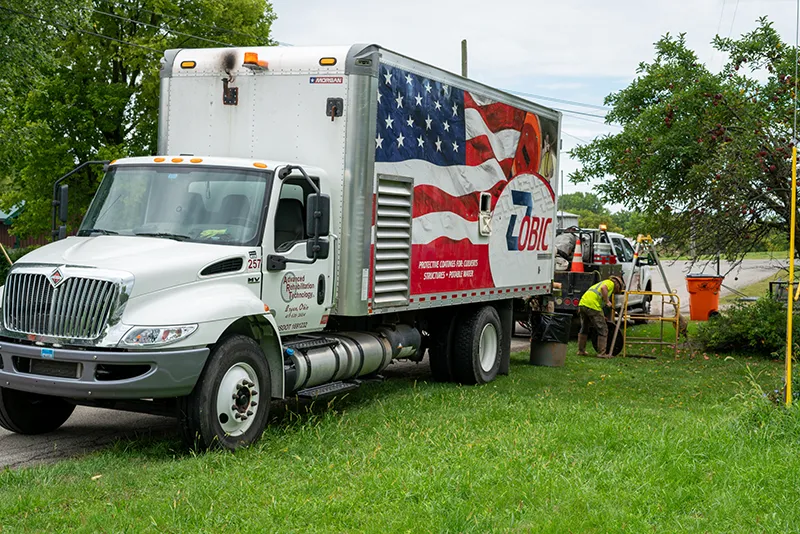
When a municipality begins an underground infrastructure rehabilitation project, one of the biggest challenges isn’t the construction itself, it’s communication. Residents often don’t see what is happening beneath the surface. Instead, they see work trucks, temporary traffic changes, or construction activity. Without clear communication, questions can quickly turn into frustration, even when the project is improving critical public infrastructure.
That’s why Advanced Rehabilitation Technology (ART) created this municipal infrastructure project FAQ template. It provides municipalities with a ready-to-use resource that can be customized and shared with residents/stakeholders before construction begins, helping to answer common questions, build public trust, and demonstrate responsible stewardship of taxpayer dollars.
The following FAQ can be adapted by municipalities for newsletters, websites, social media, handouts, or any other communication initiatives.
Frequently Asked Questions (FAQs) About Underground Infrastructure Rehabilitation
Why is this project being completed?
Like many communities across the country, portions of our wastewater infrastructure are aging and require maintenance to continue operating safely and efficiently. This project addresses deterioration before it leads to more costly repairs, service disruptions, or infrastructure failures.
What work is being performed?
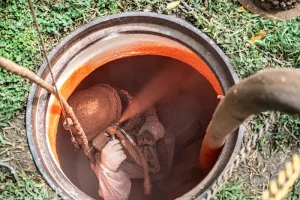
The project rehabilitates existing underground wastewater infrastructure, including manholes, lift stations, and sewer structures. Rather than replacing these assets, specialized rehabilitation methods restore and protect them from the inside, extending their service life while minimizing disruption.
Who is performing the work?
The City has partnered with Advanced Rehabilitation Technology (ART), a contractor specializing in underground infrastructure rehabilitation. Residents may notice ART trucks, equipment, and crews working throughout the project area.
Why are we rehabilitating instead of replacing?
Rehabilitation allows municipalities to extend the life of existing infrastructure while avoiding much of the excavation, traffic disruption, cost, and construction associated with complete replacement. In many cases, rehabilitation provides decades of additional service life at a fraction of the cost.
How does this benefit taxpayers?
Rehabilitation is one of the most cost-effective ways to maintain underground infrastructure. Addressing problems before failures occur helps reduce emergency repair costs, avoid larger capital expenditures, and maximize the value of taxpayer investments.
Will this affect my utility service?
Most rehabilitation projects are designed to minimize service interruptions. If temporary service disruptions become necessary, affected residents are notified in advance whenever possible.
Will roads be closed?
Because ART uses trenchless rehabilitation methods whenever possible, road closures and traffic disruptions are typically far less extensive than traditional replacement projects. Temporary lane restrictions or traffic control measures may be necessary in some locations.
How long will the project take?
Project schedules vary depending on the scope of work and weather conditions. Municipalities should provide regular updates and communicate any significant schedule changes throughout construction.
Is this work safe?
Yes. ART follows strict industry safety standards and project-specific safety requirements designed to protect residents, motorists, and construction crews throughout the rehabilitation process.
What happens if we don’t complete this work?
Without proactive rehabilitation, aging infrastructure continues to deteriorate, increasing the likelihood of service interruptions, environmental concerns, emergency repairs, and significantly higher replacement costs in the future.
How long will the rehabilitation last?
Modern rehabilitation technologies are designed to extend the service life of underground infrastructure for decades. Depending on the structure, materials, and operating conditions, rehabilitation can significantly delay the need for future replacement.
At ART, we believe successful infrastructure rehabilitation involves more than restoring aging assets. It also means helping municipalities communicate clearly with the people they serve. By combining technical expertise with proactive communication, municipalities can reduce confusion, increase public confidence, and help residents understand the long-term value of investing in underground infrastructure. Please contact us with any questions or further assistance.
