
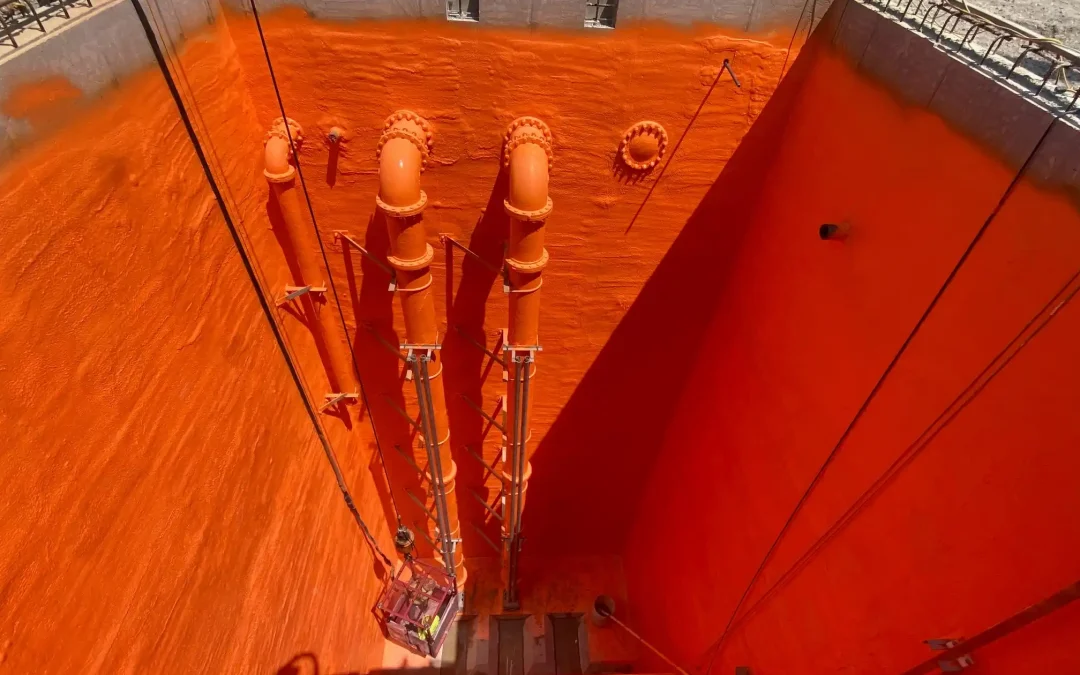
Pump stations are some of the hardest-working assets in any wastewater collection system. They move millions of gallons of wastewater every year, operating around the clock with little attention. That is, until something goes wrong.
Unfortunately, many municipalities view pump station rehabilitation as a reactive project rather than a proactive investment. Small leaks are patched. Corrosion is monitored. Repairs are delayed until budgets allow.
The problem is that infiltration and corrosion don’t simply remain “small problems.” They quietly increase operating costs, shorten equipment life, consume treatment capacity, and eventually create much larger capital expenses.
That’s why pump station rehabilitation isn’t just about repairing concrete, it’s about protecting the long-term performance and financial health of an entire wastewater system.
Why Pump Station Rehabilitation Should be Top Priority
Every gallon of groundwater that enters a pump station through infiltration is a gallon that didn’t need to be pumped, transported, or treated. While a single leak may appear insignificant, even relatively small infiltration rates can create surprisingly large financial impacts over time.
For example:
A 1 gallon-per-minute leak introduces more than 525,000 gallons of unnecessary groundwater into the treatment system every year.
At an average treatment cost of $1.75 per 1,000 gallons, that’s approximately $920 annually for just one leak.
Twenty similar leaks increase annual treatment costs to roughly $18,400.
One hundred leaks can exceed $92,000 every year, before considering pumping, maintenance, or equipment wear.
What appears to be a maintenance issue quickly becomes a budget issue.
Infiltration Costs More Than Wastewater Treatment
Treatment costs are only one part of the equation. As infiltration increases, pump stations must operate longer to move groundwater that should never have entered the system. Increased run time leads to:
- Higher electrical costs
- More pump wear
- Increased maintenance
- Shorter equipment life
- Greater risk of pump failures
Over time, these operational costs compound, making delayed rehabilitation increasingly expensive.
The Hidden Cost of “Minor” Leaks
Municipalities often describe small infiltration leaks as “not that bad.” The numbers tell a different story. Consider a seasonal resort pump station experiencing approximately 10 gallons per minute of infiltration. That single station sends more than 5.2 million gallons of unnecessary groundwater to the treatment plant each year, costing roughly $9,200 annually in treatment expenses alone.
The additional pumping required adds approximately 146 extra operating hours every year, increasing electrical costs and placing additional stress on pumps and motors.
Combined, the annual cost exceeds $10,000 for just one leaking structure. Over ten years, that becomes more than $100,000, without accounting for future equipment replacement or emergency repairs.
Infiltration isn’t the only threat. Wastewater pump stations also operate in highly corrosive environments where hydrogen sulfide gas can be converted into sulfuric acid, aggressively attacking concrete surfaces.
As corrosion progresses:
- Concrete deteriorates
- Reinforcing steel becomes exposed
- Structural integrity declines
- Rehabilitation becomes more extensive and more expensive
Addressing corrosion early can dramatically extend the useful life of pump stations while avoiding full structural replacement.
Capacity Matters Just as Much as Cost
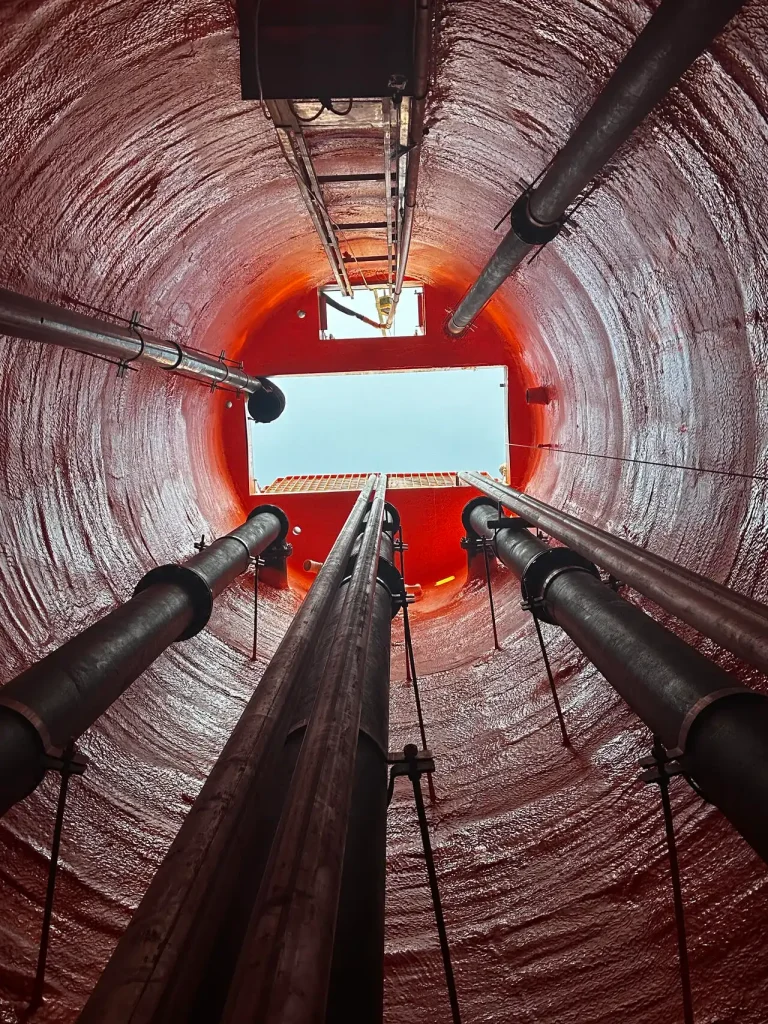
One of the least appreciated benefits of pump station rehabilitation is capacity recovery. Groundwater occupies treatment capacity that should be reserved for residents and businesses. Eliminating infiltration from one severely leaking pump station could free enough treatment capacity to accommodate wastewater generated by approximately 48 average homes, without expanding the wastewater treatment plant.
For growing communities, reducing infiltration may postpone or even eliminate the need for costly plant expansions.
Rehabilitation or Replacement? That is the Question.
One of the most common questions municipalities face is whether localized repairs are enough or whether complete rehabilitation is warranted.
The answer depends on several factors:
- Severity of infiltration
- Extent of corrosion
- Remaining structural integrity
- Long-term maintenance goals
- Budget considerations
For isolated leaks, targeted repairs such as chemical grouting may be appropriate. However, when infiltration and corrosion are widespread, installing a complete internal lining system often provides the greatest long-term value by simultaneously stopping infiltration, protecting against future corrosion, and significantly extending service life.
Why New Pump Stations Should be Protected From Day One
Rehabilitation shouldn’t begin only after deterioration occurs. Installing protective linings during new pump station construction prevents infiltration through joints and pipe penetrations, protects concrete before corrosion begins, reduces future maintenance costs, maximizes asset life, and costs only a small percentage of the total project budget. For example, installing an internal lining can represent just 1.45% of the total project cost of a new multi-million-dollar wastewater construction project.
Life-Cycle Cost Tells the Real Story
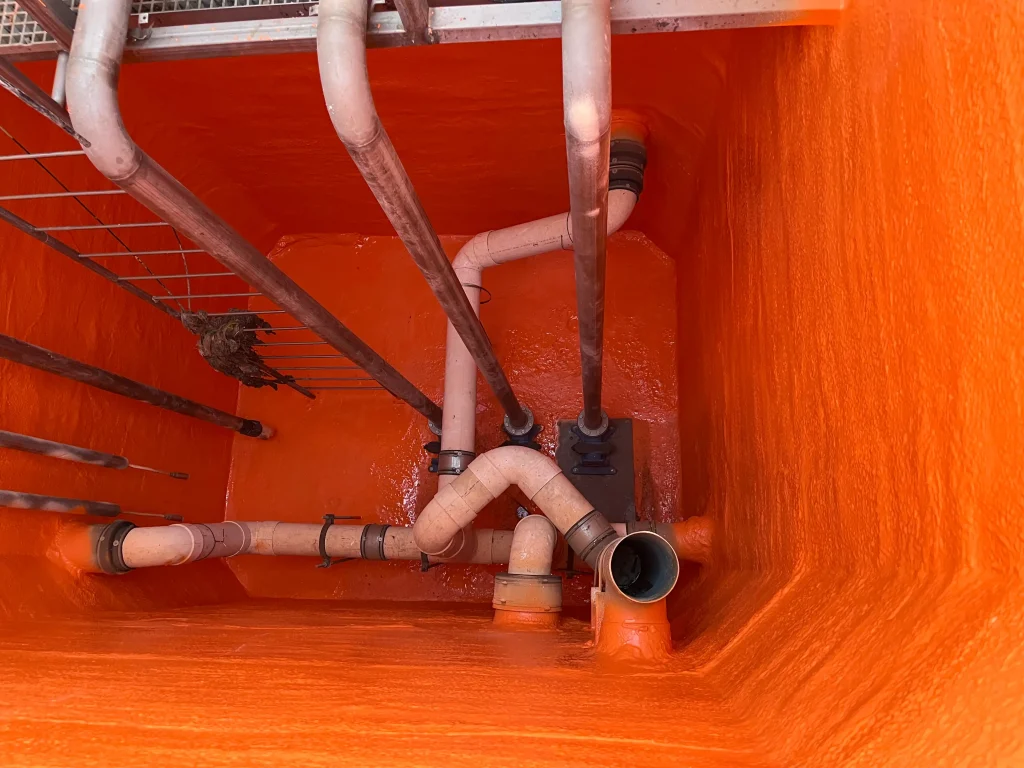
The lowest initial construction cost rarely delivers the lowest long-term value. While a localized repair or lower-cost rehabilitation option may reduce upfront expenses, it can lead to recurring maintenance, additional repairs, and earlier replacement if it doesn’t fully address infiltration or corrosion.
A true life-cycle cost evaluation considers much more than the installation price. It should account for:
- Treatment costs avoided
- Reduced pump run time
- Lower electrical consumption
- Less pump and motor wear
- Extended service life
- Deferred capital replacement
- Increased available treatment capacity
- Reduced risk of sanitary sewer overflows and backups
- Fewer emergency repairs and maintenance events
Perhaps most importantly, reducing infiltration allows municipalities to reclaim valuable treatment capacity. Every gallon of groundwater kept out of the system is capacity that can serve residents and businesses instead. In many cases, rehabilitation can delay costly wastewater treatment plant expansions or accommodate future growth without adding new infrastructure.
When municipalities evaluate rehabilitation through the lens of life-cycle cost rather than initial installation cost alone, they often find that investing in a longer-lasting solution delivers greater financial value while improving system reliability for decades to come.
ART is an OBIC-certified installer and offers high-quality, long-lasting solutions for a wide range of applications. For more information about how we can help you, call 419-636-2684.
