
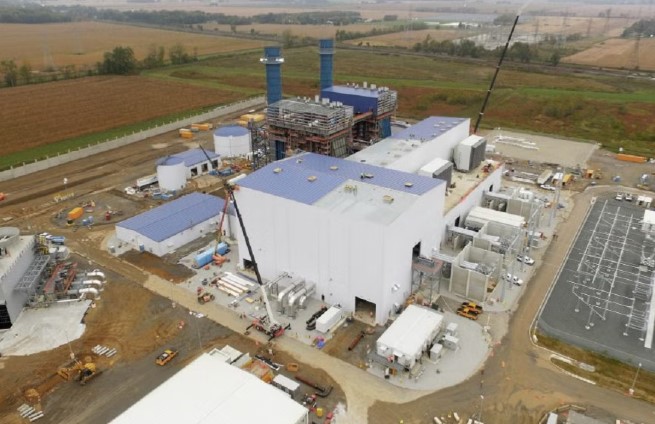
When the St. Joseph Energy Center in New Carlisle, Indiana (now operating as AEP Elderberry Station), a 700-megawatt natural gas-fired, 2×1 combined-cycle plant that provides clean, efficient energy for more than 400,000 households, needed a reliable solution for its failing chemical offloading pads, the facility managers turned to Advanced Rehabilitation Technology (ART). These highly trafficked areas, roughly 2,000 square feet across two concrete pads, had an aging coating system that was breaking down, flaking off, and no longer providing the protection needed to prevent spills from damaging the concrete or seeping into the ground.
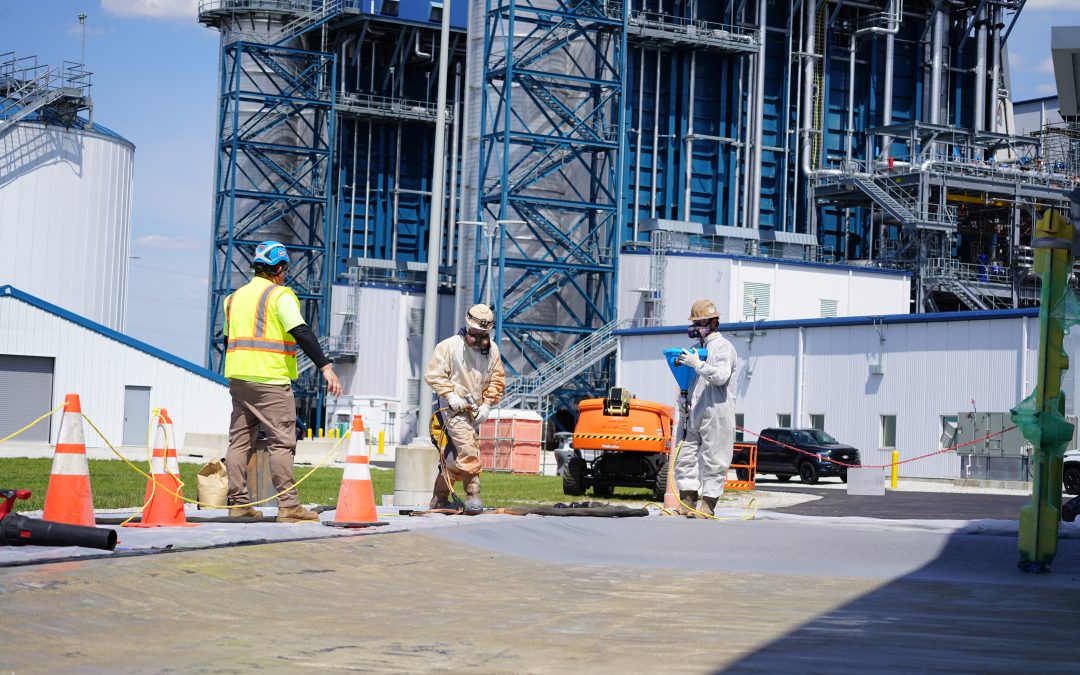
For an active energy facility with strict safety protocols and daily chemical transfers, a durable, slip-resistant solution wasn’t optional, it was essential. Exposure to chemicals and daily vehicle traffic caused the coating to deteriorate, which created concerns about:
• Chemical resistance
• Environmental protection
• Worker and vehicle safety
• Structural integrity of the concrete
The energy plant needed a surface that would stand up to these demands of their operations, especially during offloading cycles where spills are a real possibility.
ART, an OBIC-certified installer, was selected for its track record of delivering innovative no-dig technology solutions designed to protect and extend the life of critical infrastructure. The plant scheduled the work during its shutdown week, which was typically a period when semis were not performing daily offloading, so the crews could complete the entire project without interrupting essential operations. Alex Lantz, Business Development Associate at ART, said the project couldn’t have gone more smoothly.
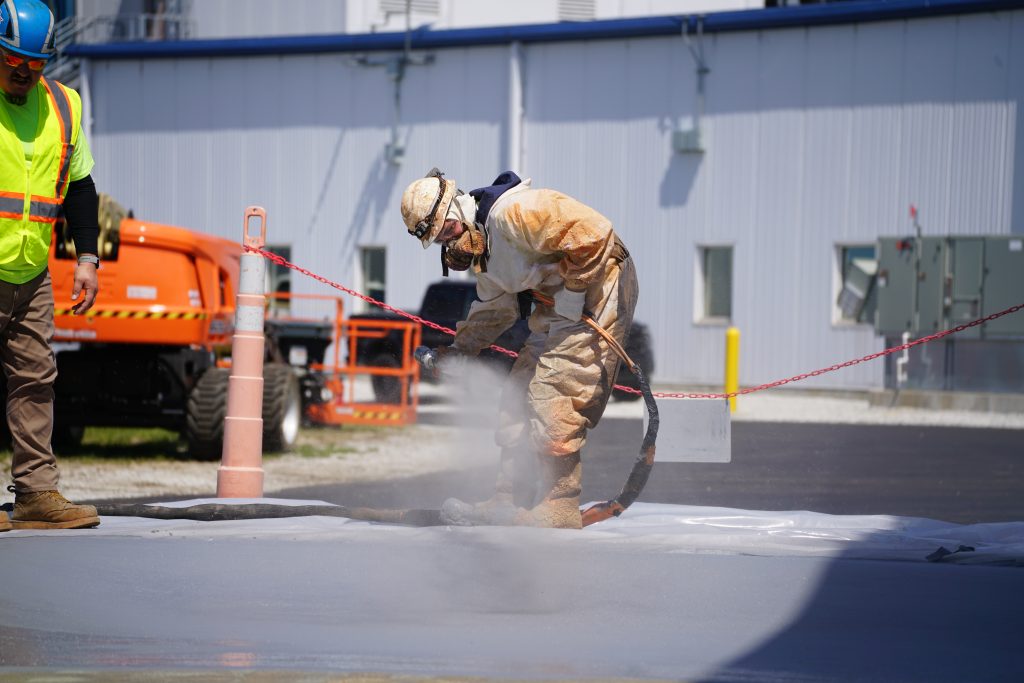
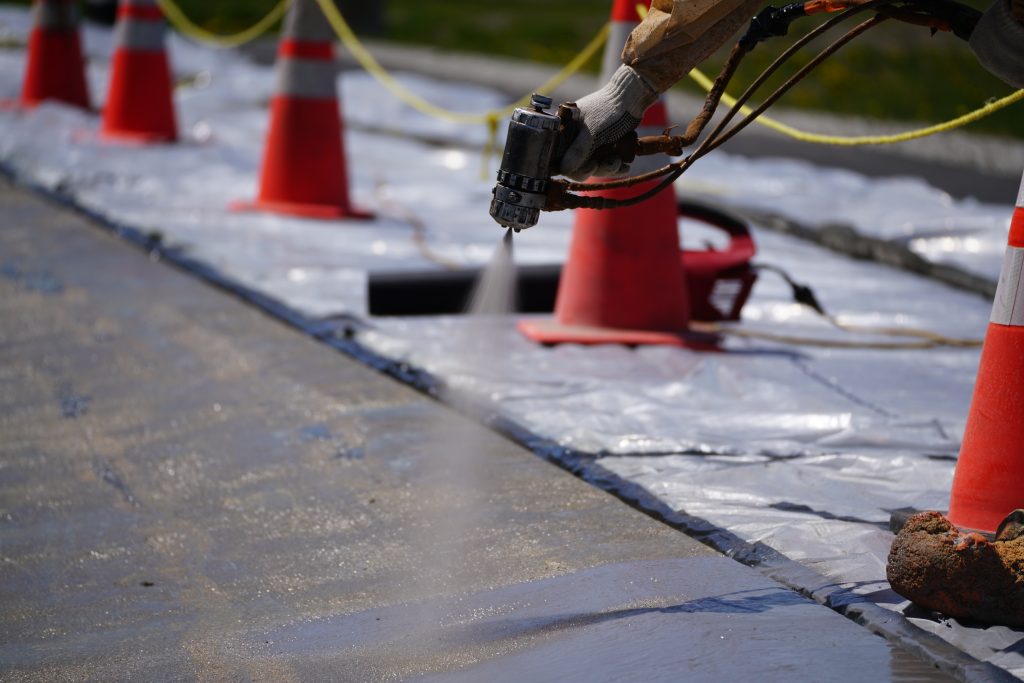
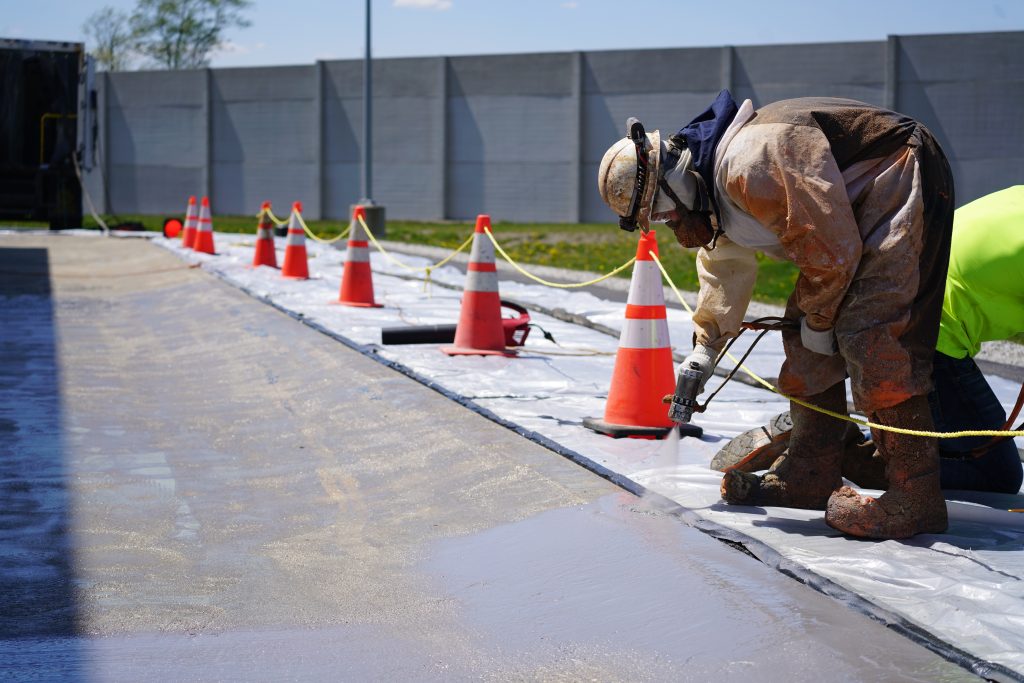
The ART crew consisted of two to three installers plus a dedicated project manager on-site. They began by removing the existing failed coating using hydroblasting, a process similar to a standard surface cleaner, but at 40,000 PSI. That level of pressure (performed with a spin jet) efficiently removed the original coating and created the proper concrete surface profile needed for optimal adhesion.
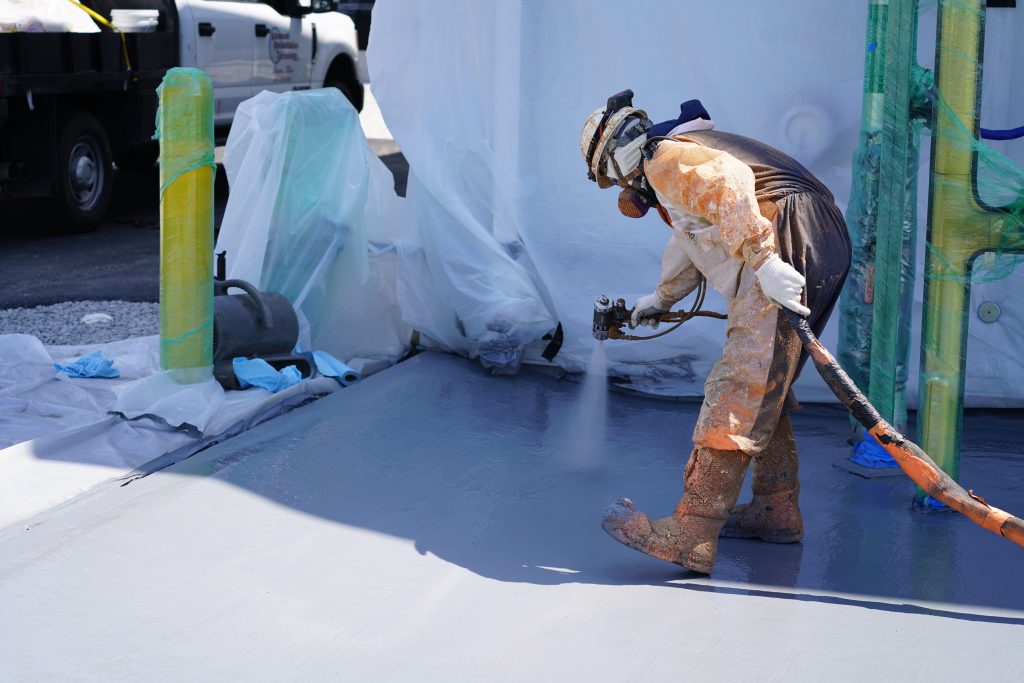
To build a long-lasting surface resistant to chemicals and daily use, ART installed:
• Base Coat: OBIC 1000 polyurea in gray
• Top Coat: OBIC 1150 polyaspartic with quartz grit
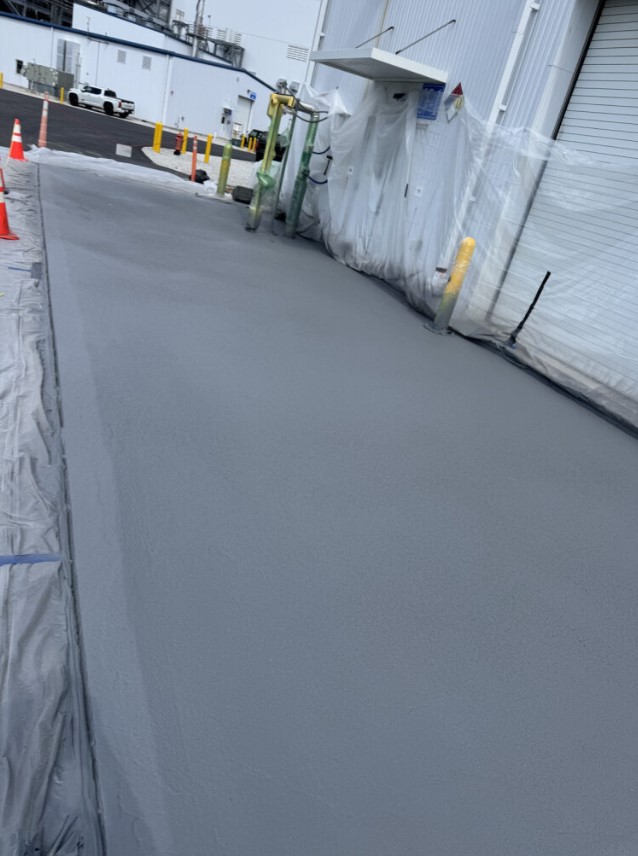
The quartz additive was a critical component. As Lantz explained, polyurea and polyaspartic coatings cure extremely smooth, which are great for durability, but not for traction. The added quartz aggregate creates a slip-resistant texture similar to an epoxy garage floor, but far more durable. This means safer movement for workers and vehicles, especially in areas where traffic or moisture are common.
Both pads, including preparation, coating, and an additional transformer coating, were completed in just eight days. The energy plant operators were extremely pleased with both the speed and quality of the work. The new textured, chemical-resistant surface eliminated their concerns about slick spots and provided long-term protection for the concrete pads.
While the project ran smoothly, it also highlights something important: ART’s ability to deliver specialized containment solutions quickly and safely. As Lantz said, “It’s a cool process to be part of. It’s something we don’t run into too often, but it shows our capabilities.”
Secondary containment areas require materials that can resist chemicals and withstand heavy use. ART’s fast, precise installation at St. Joseph Energy Center demonstrates exactly how the right coating system can transform deteriorating infrastructure into long-lasting, high-performance assets.
Interested in working with ART on your next rehabilitation project? Contact us today to see how we can help protect your infrastructure—above and below the surface.
