
In a previous blog, we detailed how sewer systems are constantly exposed to corrosion, blockages, and structural deterioration but most of these issues develop out of sight. By the time problems like backups, sinkholes, or overflows occur, the damage is often already severe.
That’s why municipalities are increasingly turning to CCTV inspection as a proactive tool, not just to diagnose problems, but to prevent them.
What Is CCTV Sewer Inspection and How Does It Work?
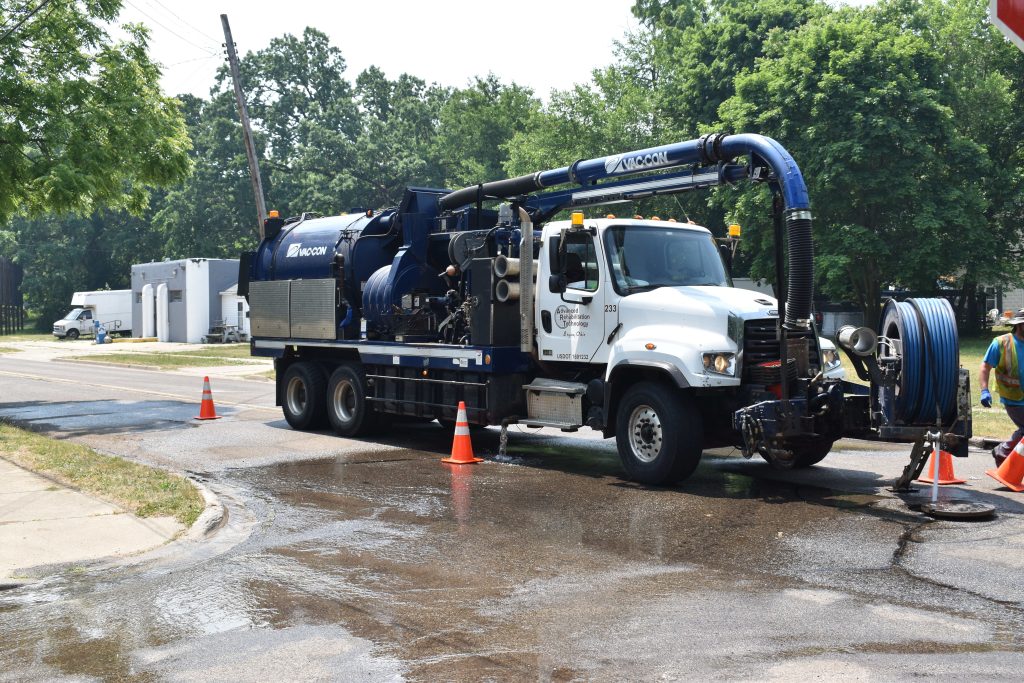
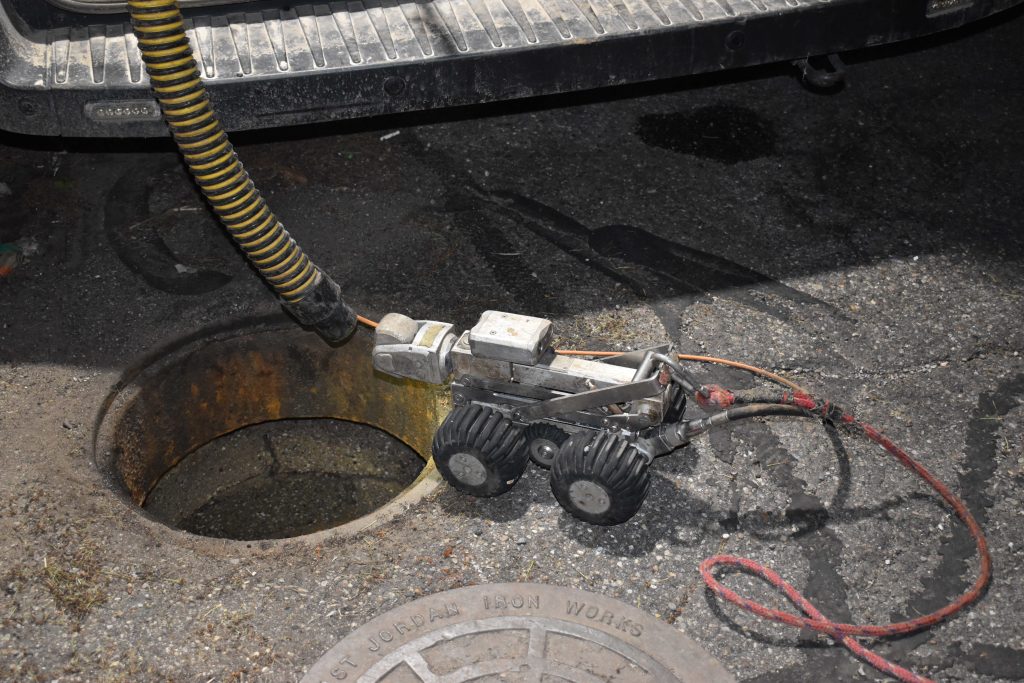
CCTV sewer inspection is a visual inspection process using high-definition crawler cameras that travel through sewer main lines to capture real-time video of pipe conditions.
This allows operators and engineers to:
• See inside underground infrastructure without excavation
• Identify defects, obstructions, and deterioration
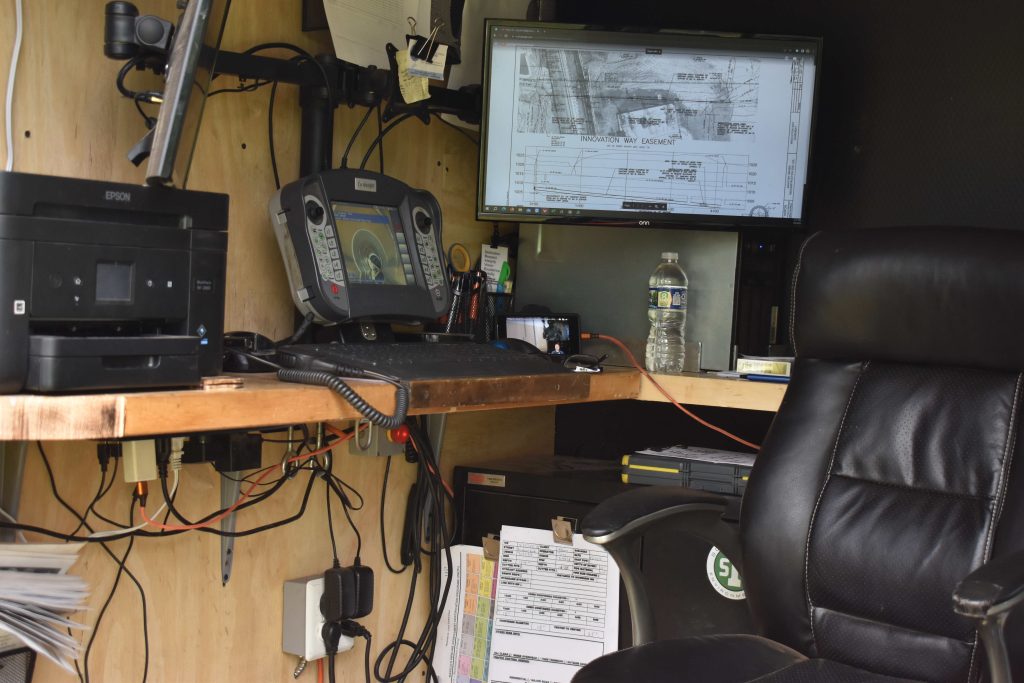
• Document conditions for planning and compliance
When Should Municipalities Use CCTV Sewer Inspection?
CCTV inspection is most effective when used for both prevention and remediation. Routine condition assessments help municipalities understand system condition and plan ahead, especially if lines haven’t been inspected in years. CCTV should be used when issues have been reported such as: blockages or backups, customer complaints, sewer overflows, sinkholes, or odor issues.
CCTV allows teams to catch issues early before they escalate into costly failures. “CCTV isn’t just inspection, it’s how you decide what to fix, when, and how,” said Carpio Flores, CCTV Business Development at Advanced Rehabilitation Technology.
What Problems Can CCTV Inspection Detect?
ART can clean and inspect up to 1,500 feet of sewer line per day, using CCTV to provide a clear view of a wide range of sewer system issues:
• Cracked or fractured pipes
• Holes or collapsed sections
• Joint misalignment
• Blockages and obstructions
• Grease buildup from residential and commercial sources
• Debris and sediment accumulation
• Calcium buildup caused by infiltration and mineral deposits
• Tree root intrusion that penetrates pipes through small cracks
• Presence of rodents or vermin
CCTV helps identify where groundwater is entering the system through cracks, joints, or defects. “We find I&I daily. Once it’s identified, municipalities can patch, repair, or replace those areas and significantly reduce system load,” Flores explained.
ART provides inspection reports that rate pipe conditions (typically on a 1–5 scale with 5 being the most severe), helping municipalities prioritize repairs and investments.
What Happens After a CCTV Inspection Reveals Sewer System Damage?
Many sewer system failures start as small, hidden issues. CCTV inspection brings those problems to light, allowing municipalities to act before they escalate. Once issues are identified, municipalities can take targeted action such as:
• Minor defects may be patched or repaired
• Severe damage may require excavation and point repair
• Larger sections can be rehabilitated using trenchless solutions
CCTV inspection plays a critical role in preparing pipes for trenchless rehabilitation methods like CIPP lining. “We clean it out and remove any calcium buildup or roots that are blocking the line,” Flores said. “We prep the pipe so it’s within 5% of its original size. That way, when the liner is blown in, it can expand properly and perform as designed. Plus, we have the capability to prepare up to 1,000 feet of sewer lines per day.”
Whether it’s routine maintenance, diagnosing a problem, or preparing for rehabilitation, CCTV inspection is one of the most valuable tools for reducing inflow and infiltration and lowering water treatment costs. When you can see what’s happening inside your system, you can make smarter decisions about what comes next.
If you want to stay ahead of potential problems, trust the experts at ART to handle your sewer maintenance needs. If you are interested in learning more about our professional, timely preventative maintenance services in Michigan, Indiana, and Ohio, or have questions about the equipment we use for sewer lining cleaning and CCTV Inspections, contact us via our online form or call 419-636-2684.
